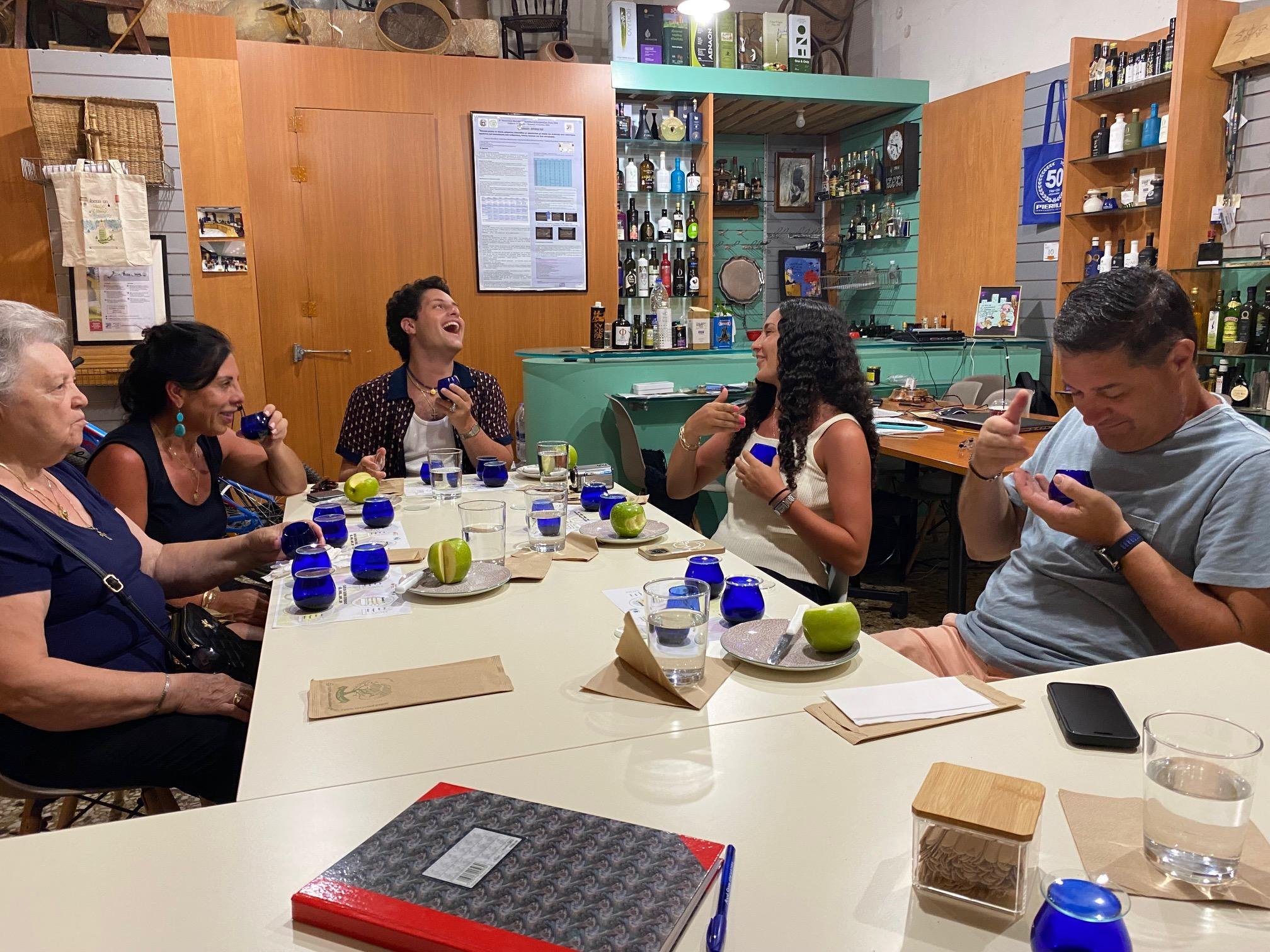
3 hr 30 min
Olive Oil Routes Experience in Androusa
Discover Messinian olive traditions through castle views, grove walks, mill tours, and expert tastings
Reserve
Walk ancient groves, watch cold extraction, taste single-estate pressings
Hand-picked by our editors — only the best 8 experiences from 24 reviewed.
Verified partners for Olive Oil Tasting in Kalamata tours, free cancellation where available, and instant confirmation on every booking.
3 hr 30 min
Discover Messinian olive traditions through castle views, grove walks, mill tours, and expert tastings
Reserve
3 hr
Join a family olive farm near Kalamata for harvest picking or grove walks, homemade olive prep, and lunch.
Reserve
1 hr
Learn professional tasting techniques while sampling four premium extra virgin oils at a historic downtown facility
ReservePrices from verified partners. Availability updates in real time at checkout. Free cancellation policies apply where shown.
The landmarks, rooms, and views travelers on Olive Oil Tasting in Kalamata tours remember — all visible on a single visit.
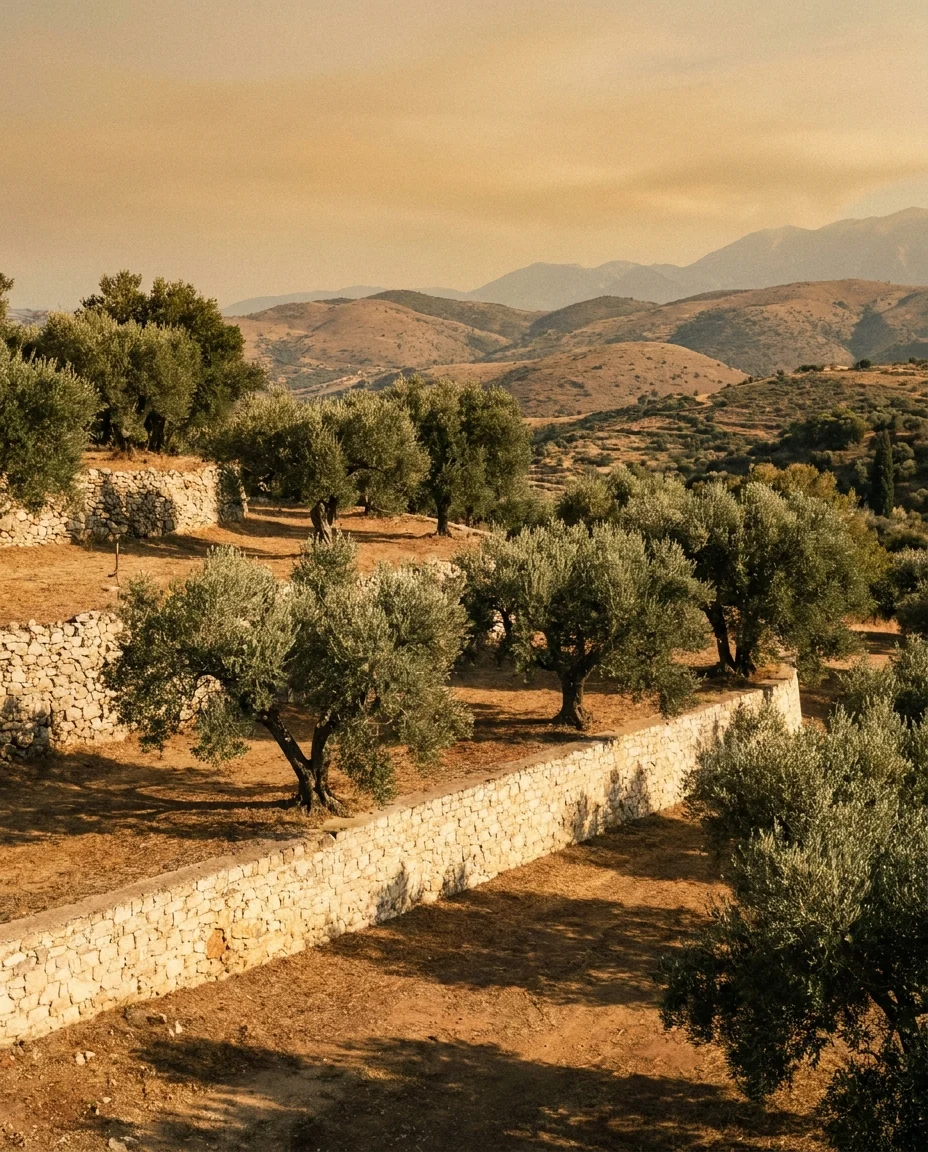
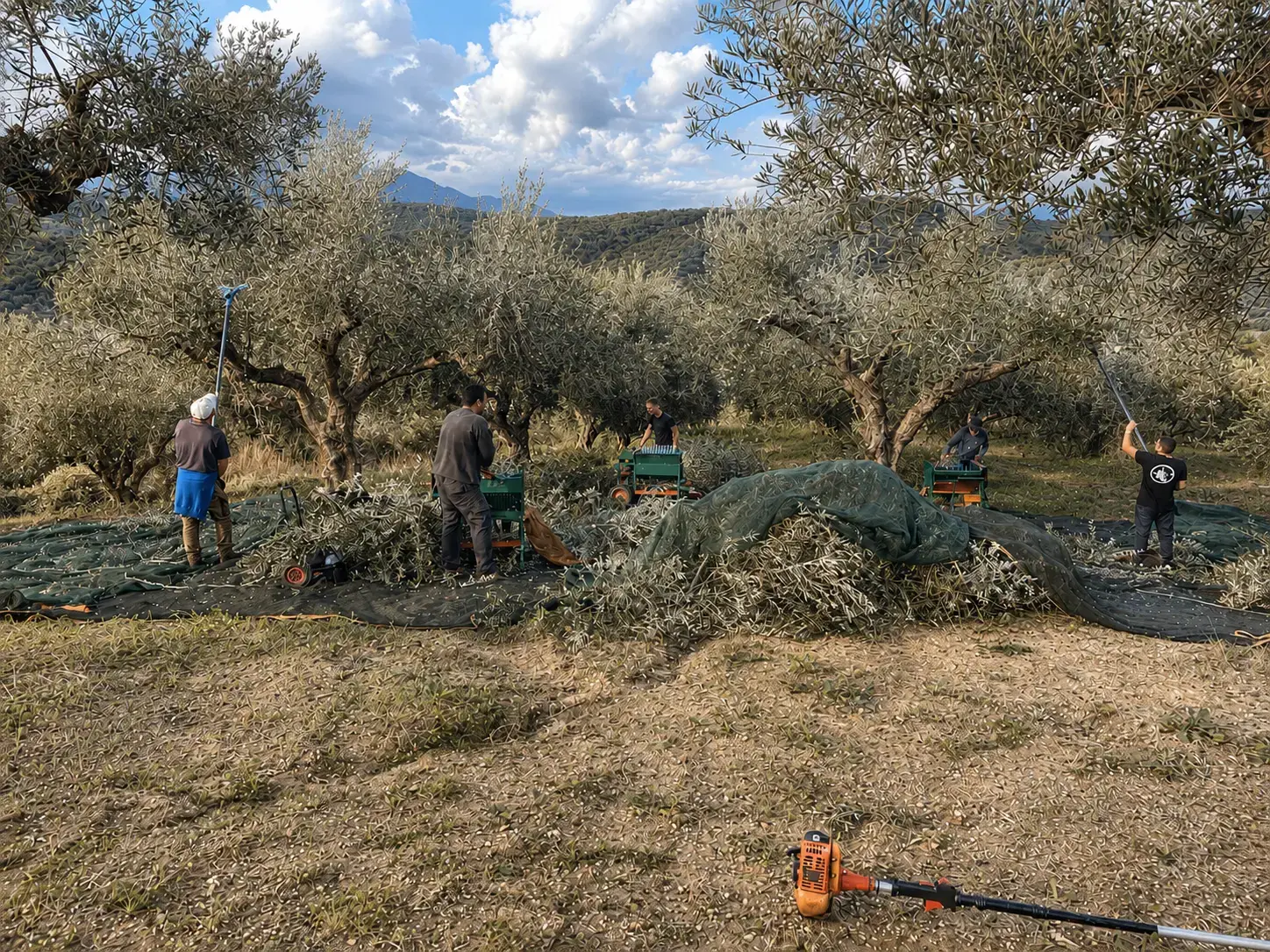
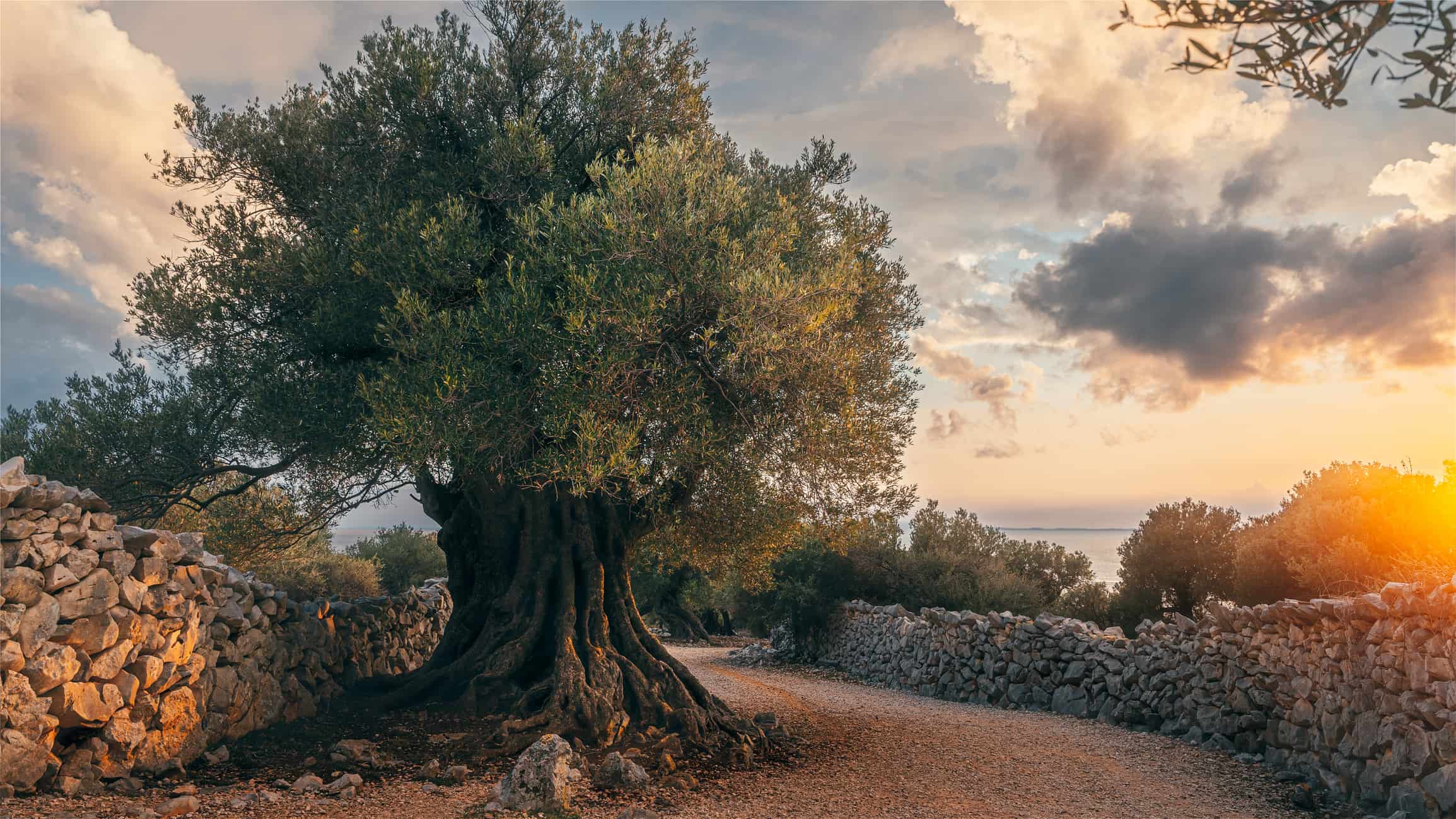
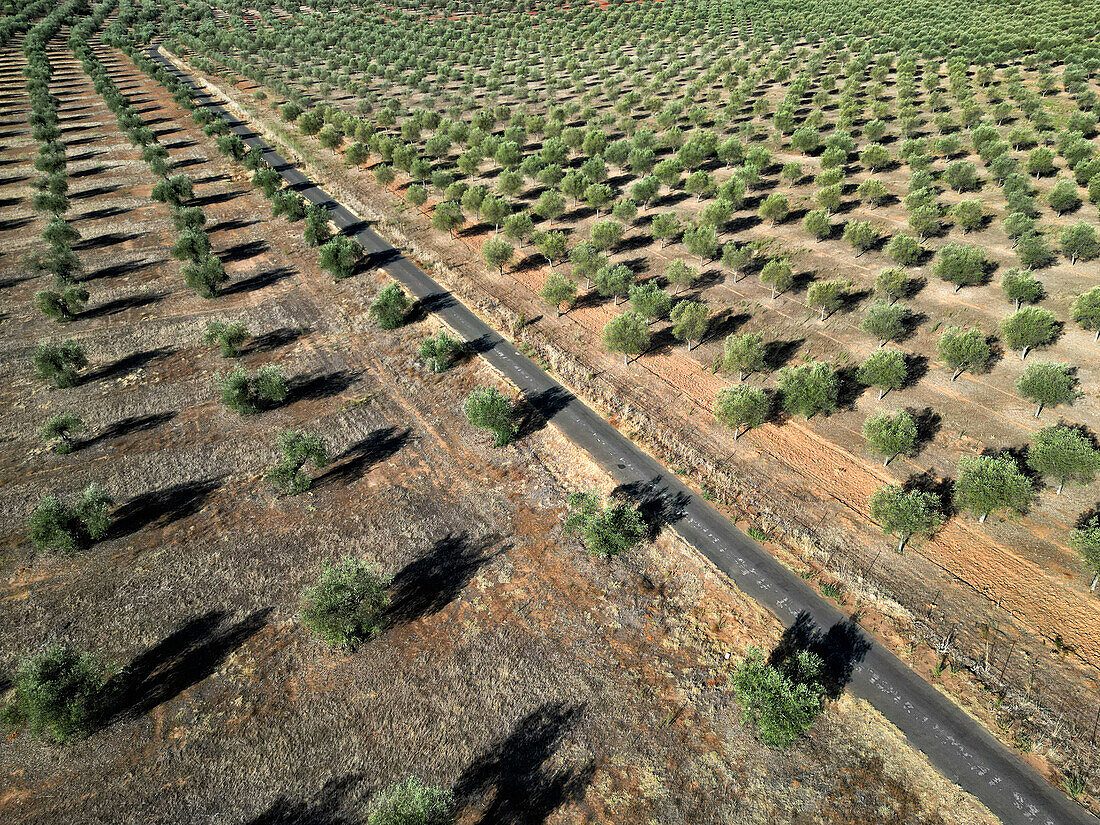
Witness centuries-old trees that still produce high-quality olives for every olive oil tasting in kalamata session. Many trees in Messinia are over 300 years old.
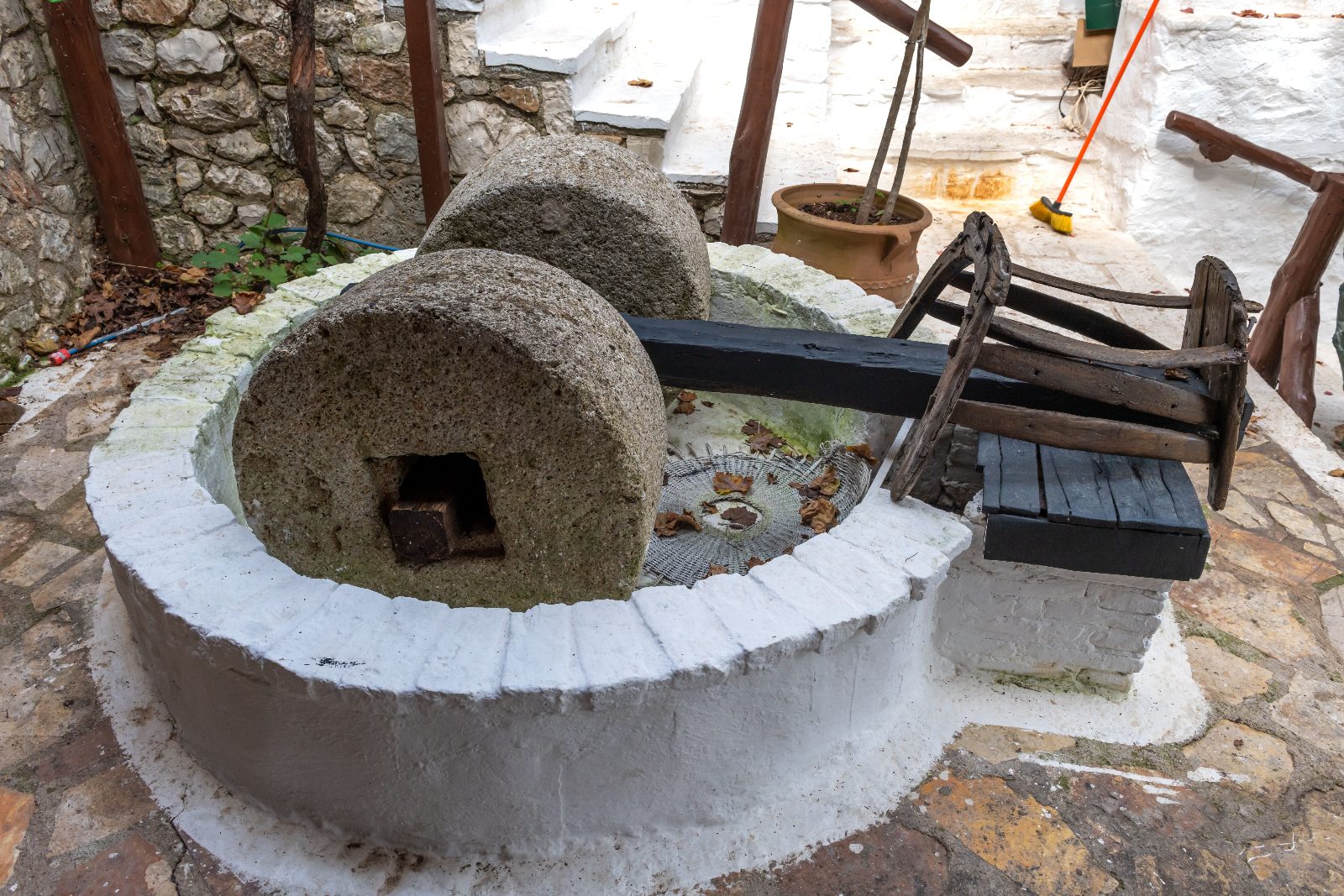
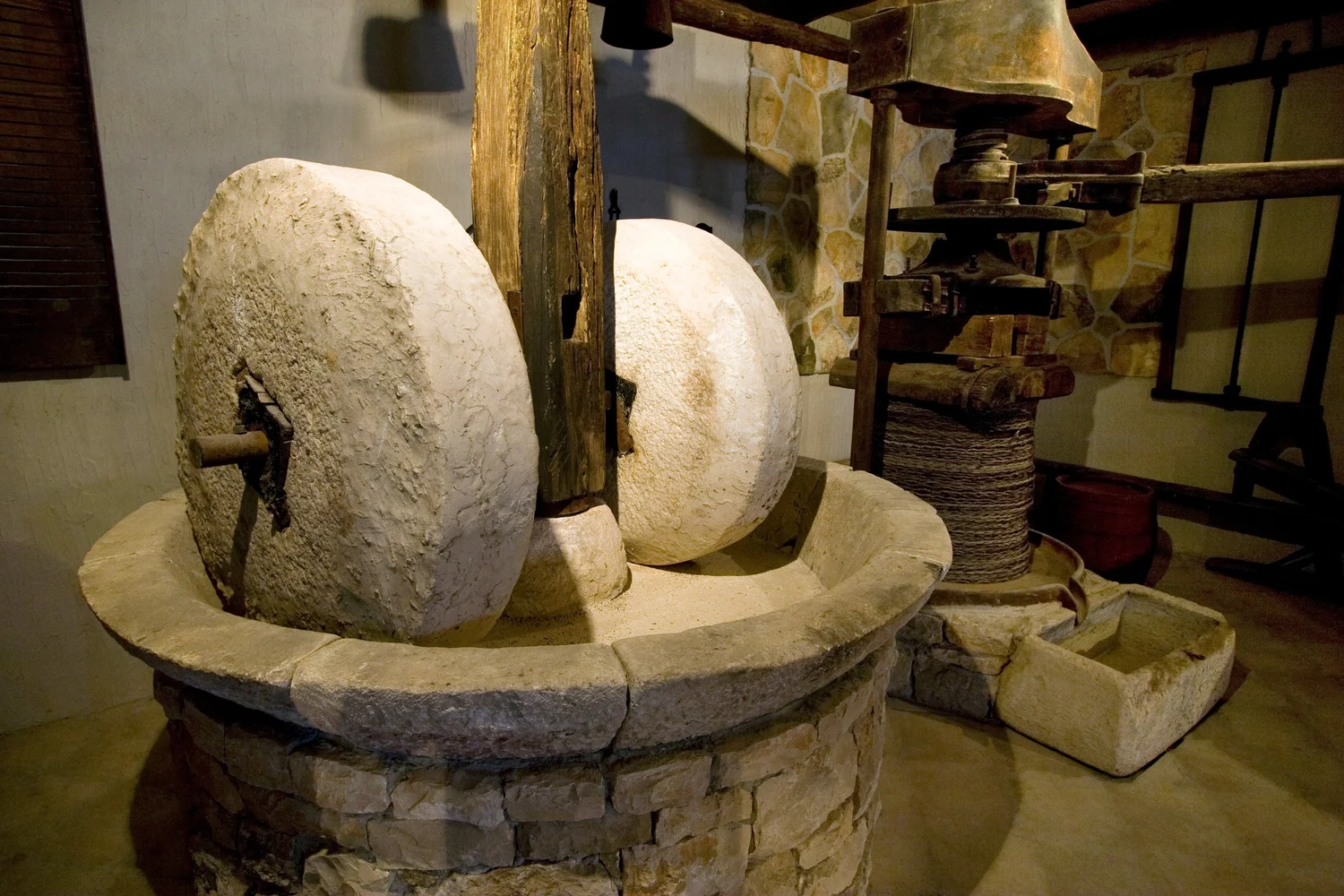
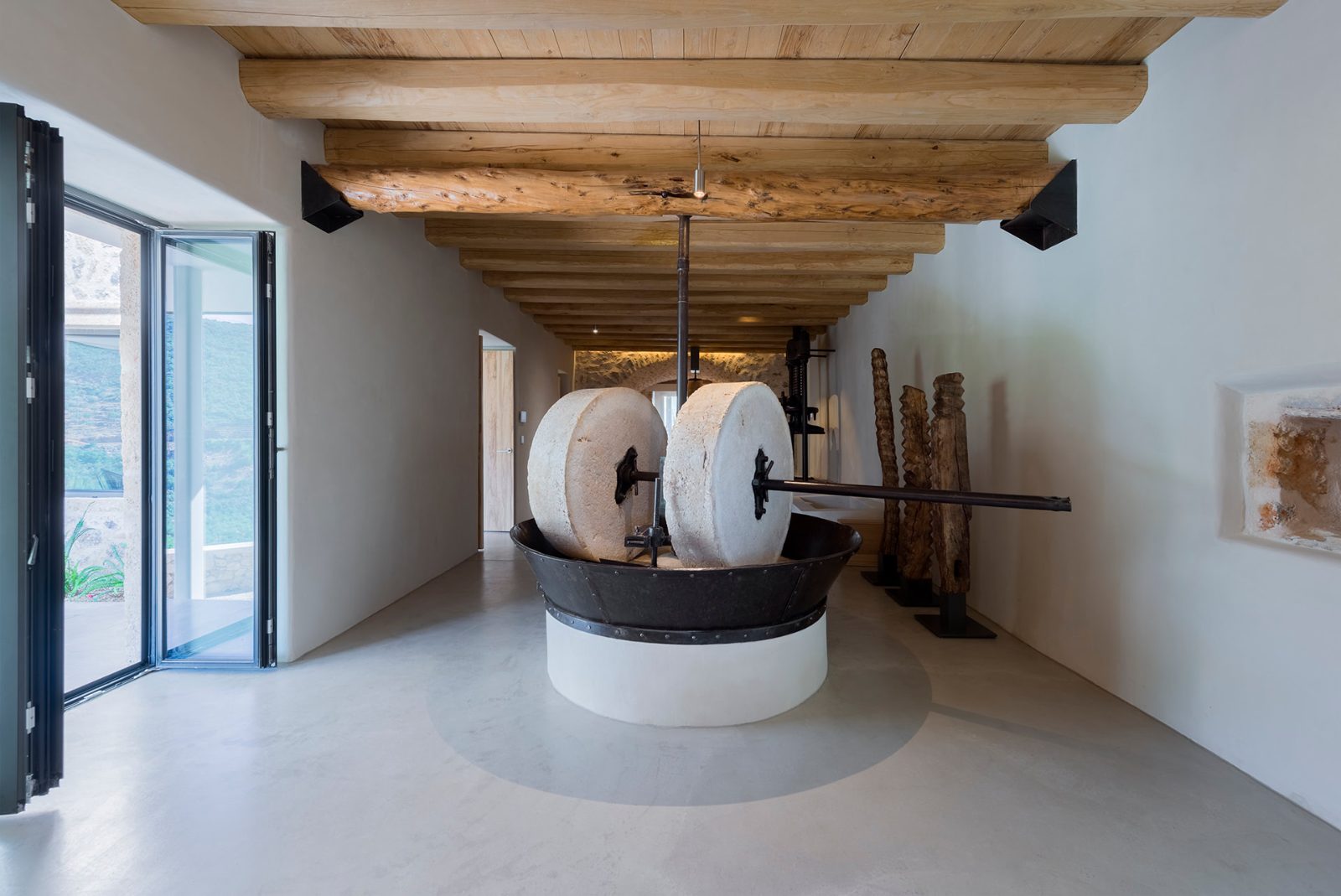
Observe the transition from stone mills to modern centrifuge technology in this dedicated space. This area highlights the history of oil extraction.
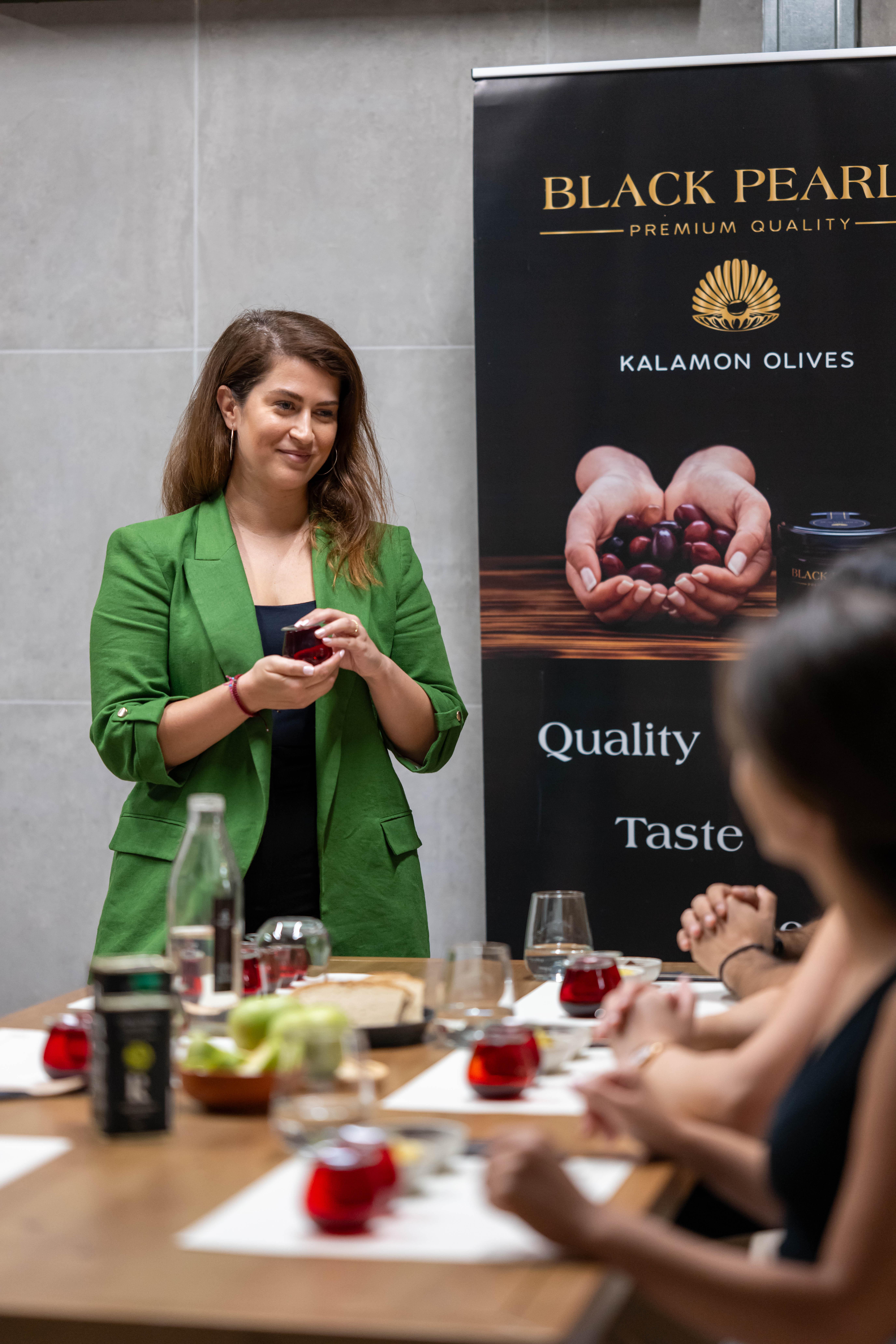
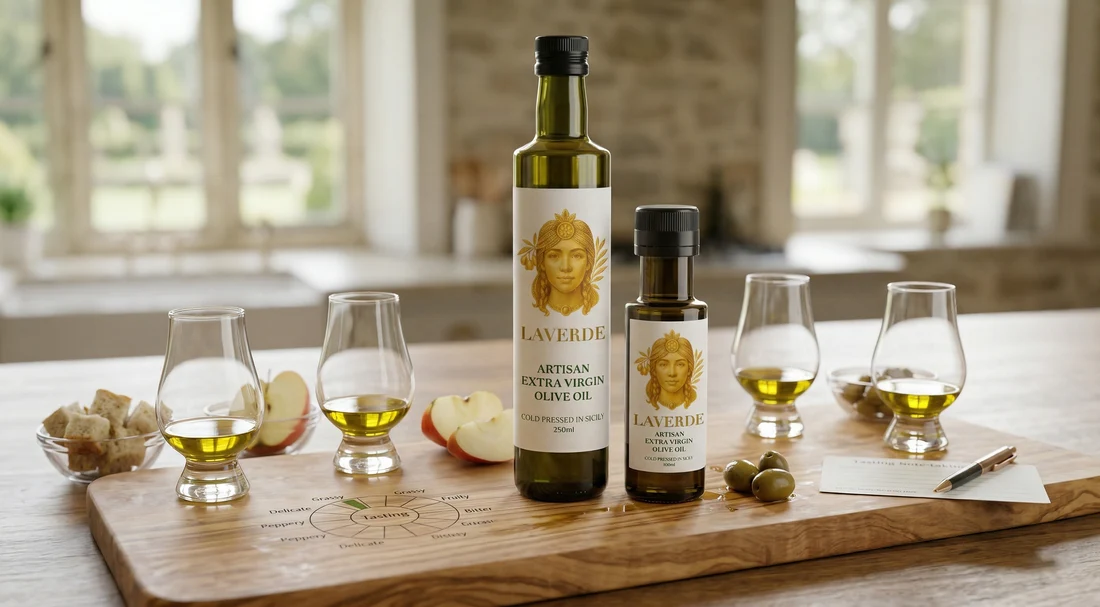
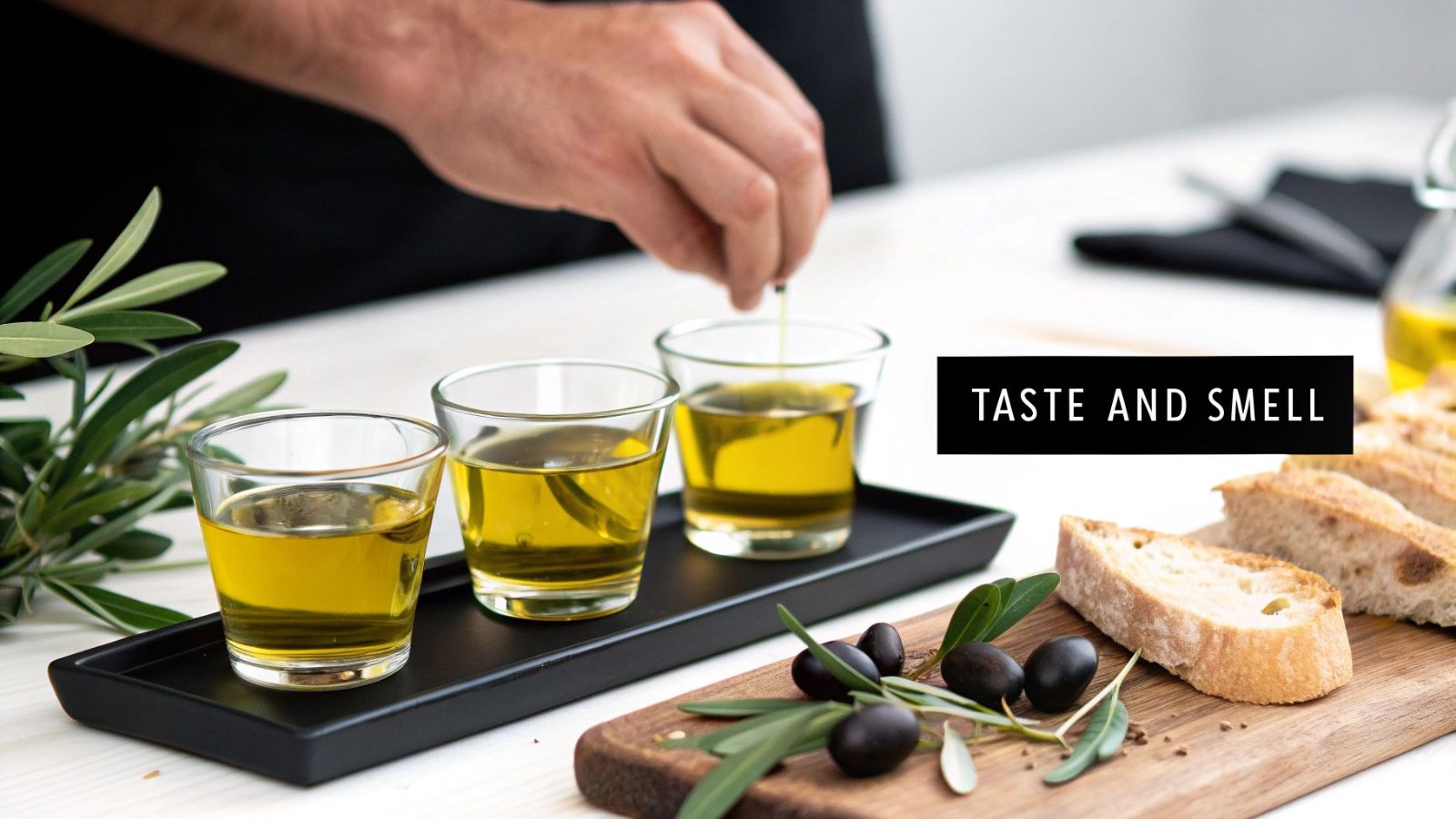
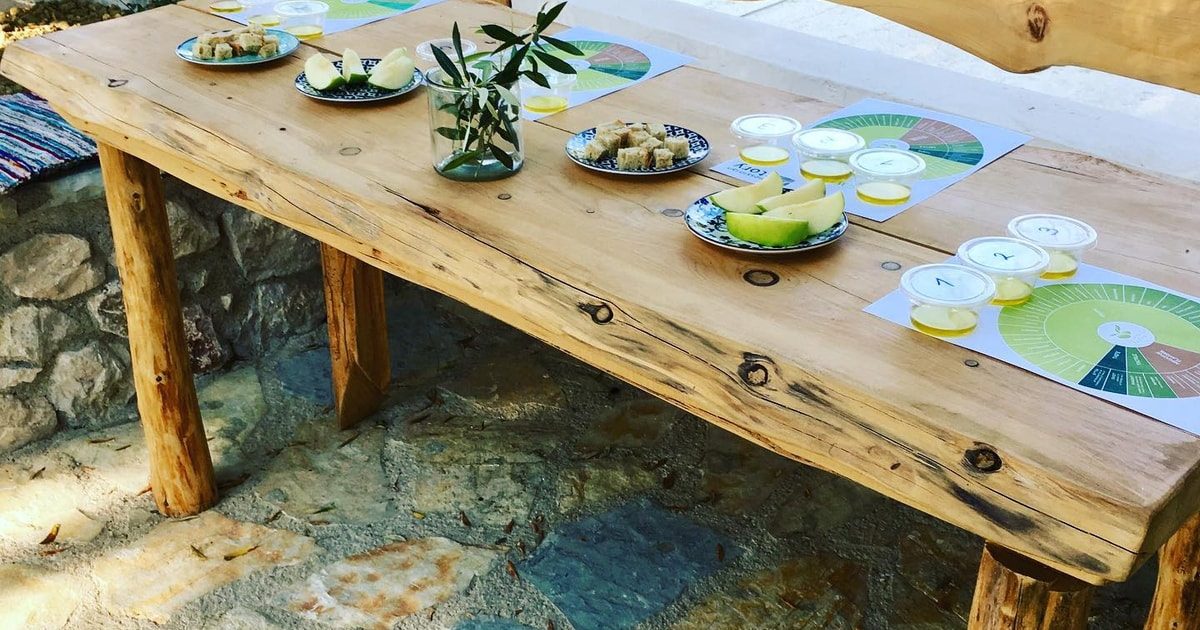
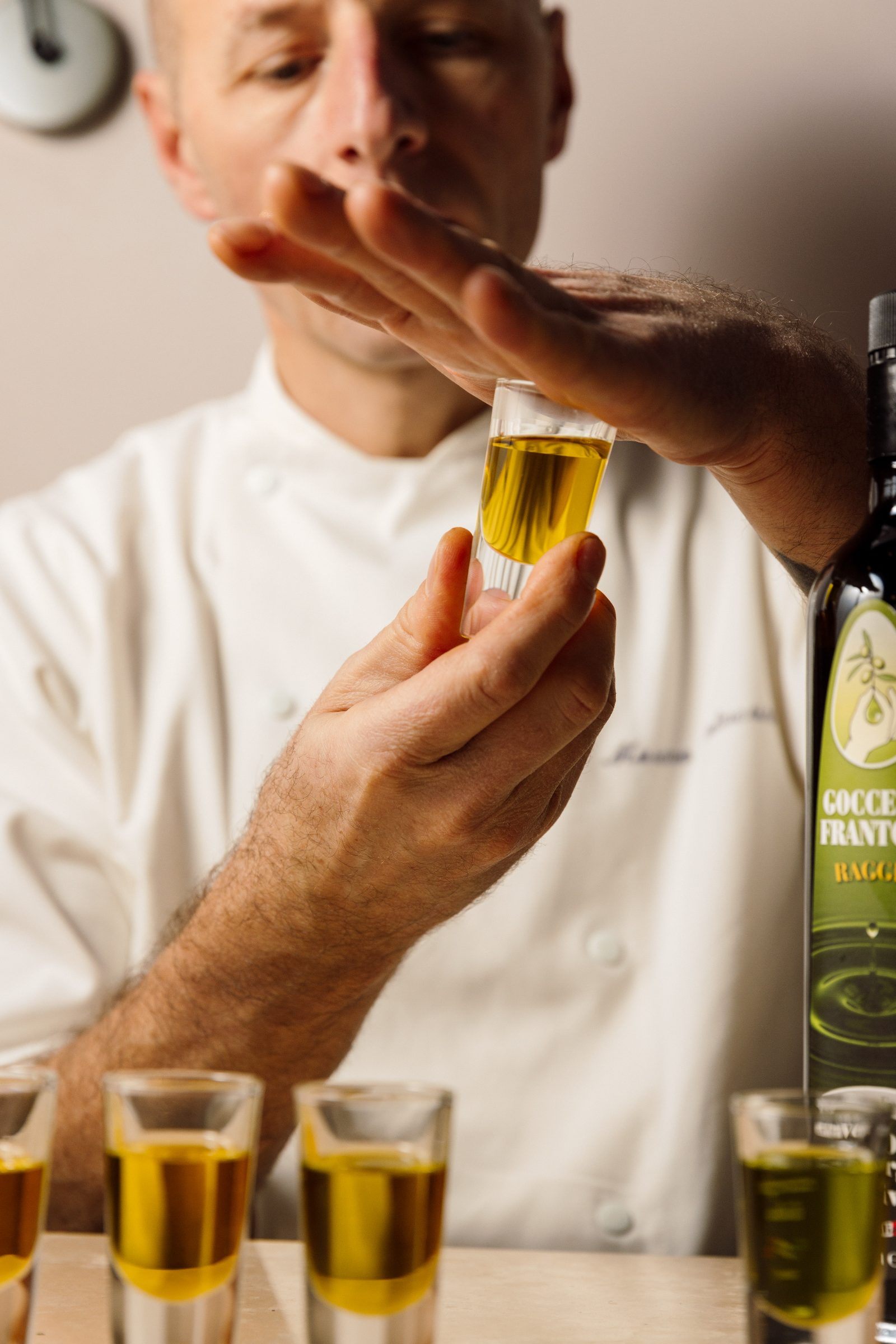
Learn to identify flavor profiles like peppery, fruity, or grassy notes in this controlled environment. This is the heart of the experience.
Explore the tools used by generations of farmers to collect the fruit. This exhibit explains the effort required for a harvest.
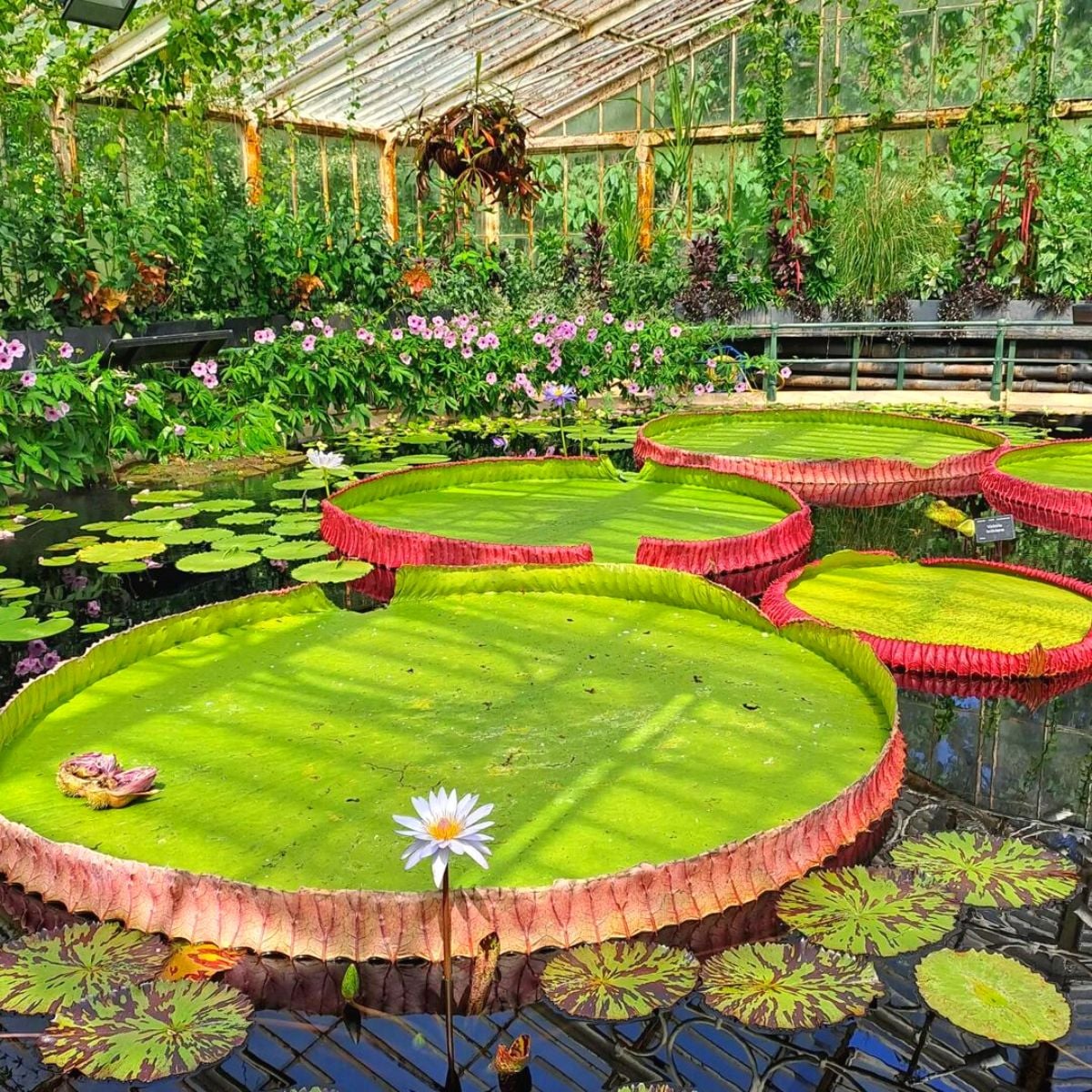
Walk through the surrounding native plants and herbs that share the Messinian ecosystem with the olive trees.
Every Olive Oil Tasting in Kalamata tour side-by-side — duration, what's included, how you redeem.
| Experience | Duration | Rating | Transfers | Guide | Small group | Free cancel. | Price | |
|---|---|---|---|---|---|---|---|---|
|
Standard Entry Most popular
Olive Oil Routes Experience in Androusa
|
3 hr 30 min | ★ 4.9 | — | ✓ | ✓ | ✓ | €90 | Book → |
|
Standard Entry
Olive Tree Year: Seasonal Farm Walk & Tasting
|
3 hr | ★ 5.0 | ✓ | — | ✓ | ✓ | €89 | Book → |
|
Standard Entry
Olive Oil Tasting at Family Bottling Plant in Kalamata
|
1 hr | ★ 5.0 | — | ✓ | — | ✓ | €60 | Book → |
All prices from verified partners. Availability and exact terms confirmed at checkout.
Olive oil tasting in kalamata tours excel at sensory education, whereas mill visits provide a technical perspective; travelers should choose the tasting to refine their palate or the mill to see the pressing process firsthand.
| Feature | Top pick Sensory Tasting | Mill Tour |
|---|---|---|
Focus |
Flavor profiling and evaluation | |
Primary Activity |
Guided tasting of monovarietal oils | |
Educational Depth |
High sensory analysis and chemistry | |
Typical Duration |
1–2 hours | |
Best For |
Culinary enthusiasts and foodies | |
Technical Exposure |
Limited direct machinery access | |
| See tickets → |
Verdict: Those seeking to sharpen their palate should book olive oil tasting in kalamata tickets, while visitors interested in mechanical production methods benefit most from the local mill experience.
Choose your ticket, select your date, and reserve in under two minutes. Secure checkout handled by our verified partner.
Instant confirmation by email, with a mobile voucher you can save offline. No printing, no queuing at a collection desk.
Arrive at the entrance, show your voucher on your phone, and walk in. Most tickets include priority or skip-the-line access.
Practical details for Olive Oil Tasting in Kalamata tickets straight from our verified partners — hours, access, rules, and how to get there.
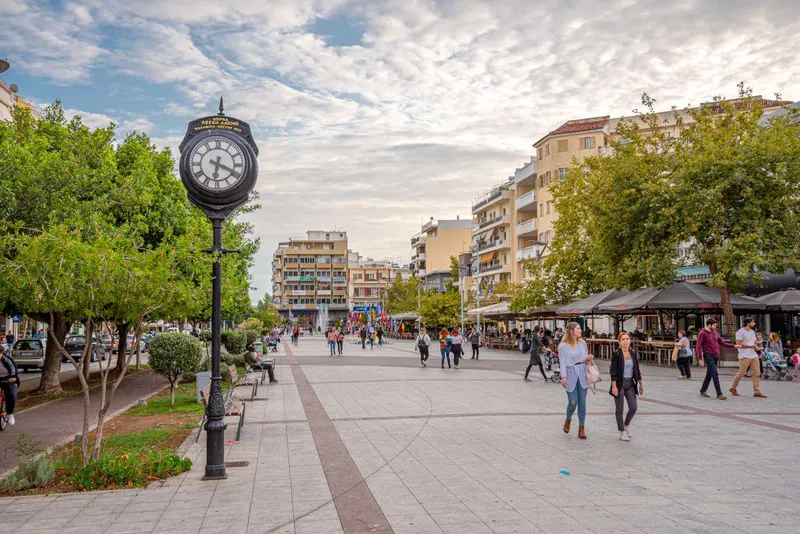
Central Kalamata
Primary assembly for transport-inclusive tours.
Open in Google MapsRental cars are the most efficient way to reach rural sites for an olive oil tasting in kalamata.
Available from Kalamata city center to most regional groves.
Casual and comfortable clothing is recommended for your olive oil tasting in kalamata visit. Wear closed-toe shoes as walking through olive groves may involve uneven, dusty ground.
Small daypacks are acceptable for storing personal items during a local olive oil tasting in kalamata session. Avoid bringing large suitcases as space in traditional farm buildings is limited.
Photography is permitted in most olive groves and tasting areas. Please respect the privacy of farmers and refrain from using flash inside the production facilities.
Many traditional groves have limited accessibility for wheelchairs due to natural terrain. Please inquire with your specific operator about level-access pathways for your olive oil tasting in kalamata.
Mobile phones are permitted for capturing photos and videos. We suggest silencing your device during guided explanations to fully appreciate the olive oil tasting in kalamata experience.
Families are welcome, and many sessions offer educational components about Messinian agriculture. Ensure children are supervised around harvesting equipment and machinery.
Complimentary water is often provided, but please do not consume outside food in the production areas. Most tasting experiences include locally sourced bread and olives as part of the tour.
Pets are generally not allowed inside processing facilities due to hygiene regulations. Service animals may be permitted with prior authorization from the tour operator.
It is standard practice to tip the guide at the conclusion of your olive oil tasting in kalamata. Check if your booking includes transportation from the city center, as many groves are located slightly outside Kalamata.
Central Kalamata
Primary assembly for transport-inclusive tours.
Get directionsBest time to go, insider tips, nearby landmarks, and the cancellation fine print — flip through to skim what matters to you.
How crowds, weather, and events shift across the year.
Mild temperatures make walking through the groves pleasant for an olive oil tasting in kalamata tour.
Hot weather requires early morning visits, but the landscape is bright and clear.
September and October are ideal as they lead into the initial harvest activities.
Cooler and occasionally rainy, but production facilities are often active during this season.
Small details that turn a good visit into a great one.
Olive oil tasting in kalamata tickets sell out quickly during the harvest season. Reserve your slot at least two weeks in advance.
Don't hesitate to ask about the difference between virgin and extra virgin oils. Guides are experts in local cultivation methods.
Even the best olive oil tasting in kalamata tours take place in natural environments. Choose footwear that can handle soil and uneven paths.
Confirm if your tour operator provides a pickup service from central Kalamata. Not all bookings include hotel transfers.
Arrive during the 09:00–16:00 window to enjoy the freshest environment before the afternoon heat peaks.
Non-bookable sights within a short walk — free to visit, easy to pair.
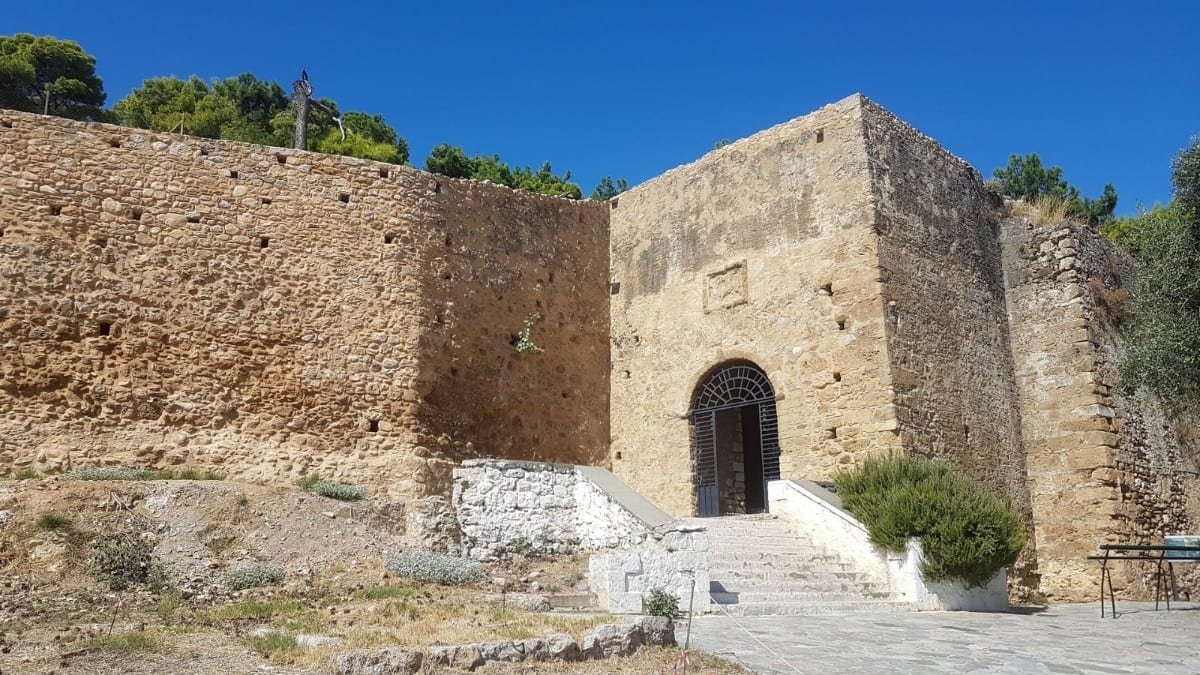
Offers views over the city and historical significance.
Displays artifacts related to Greek history.
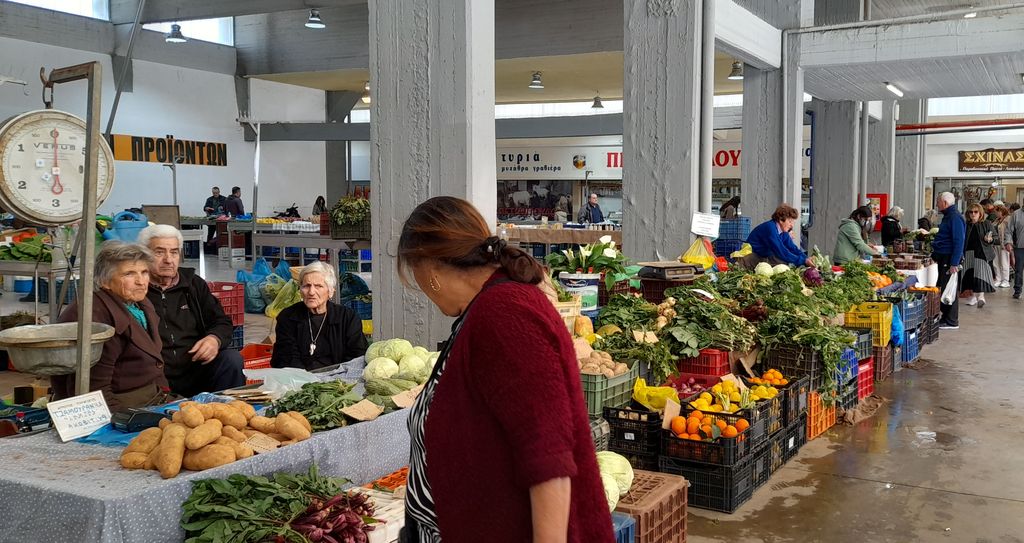
Vibrant location to find local products and produce.
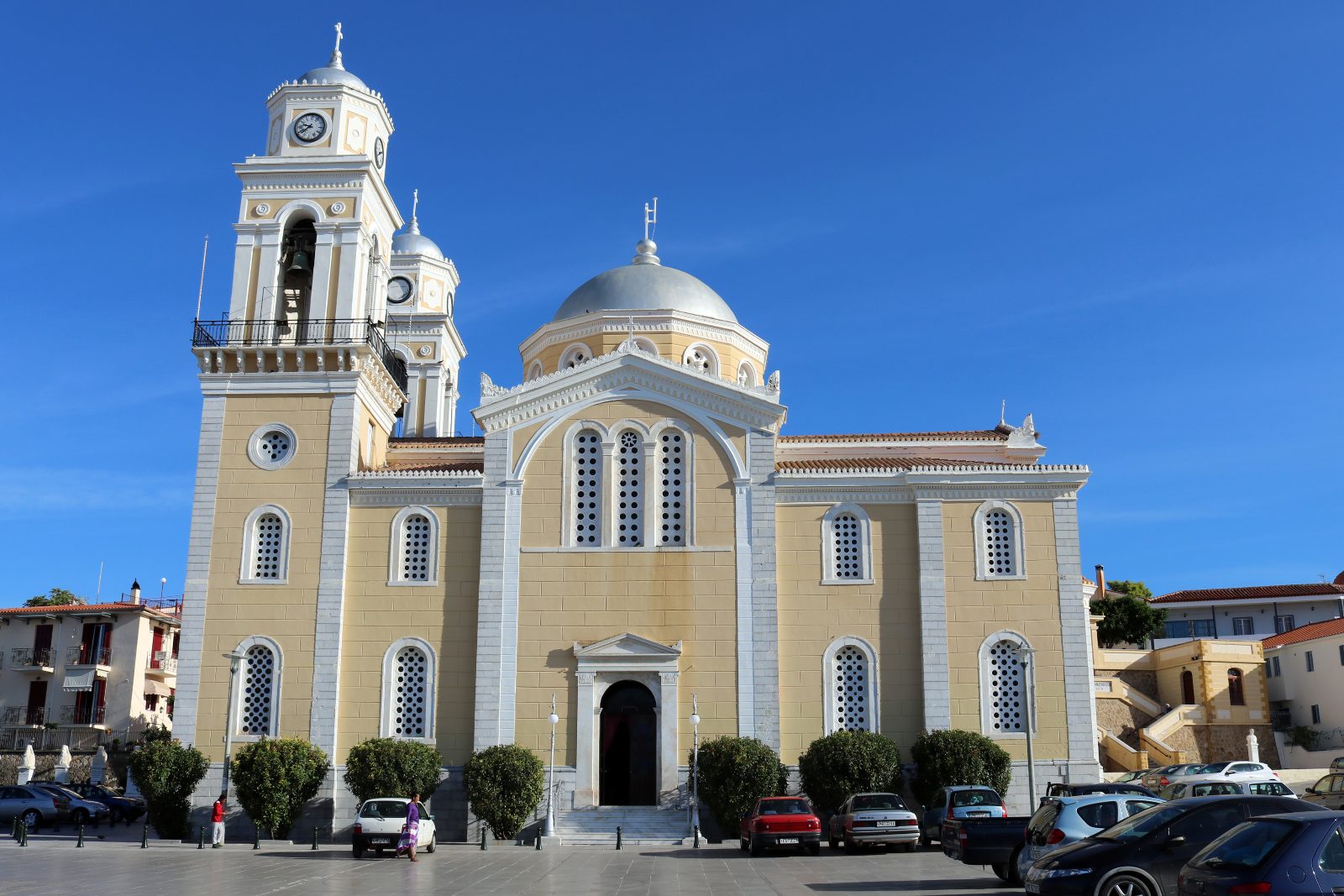
A prominent religious landmark with intricate architecture.
Flexible, no hidden fees.
Full refunds are typically available for any olive oil tasting in kalamata tour cancelled at least 48 hours in advance. Cancellations within 48 hours of the scheduled time may forfeit the booking deposit, though the 0 EUR entrance fee does not apply to private tours.
Hand-picked options within walking distance — pick a district for vibe, or a specific hotel for convenience.
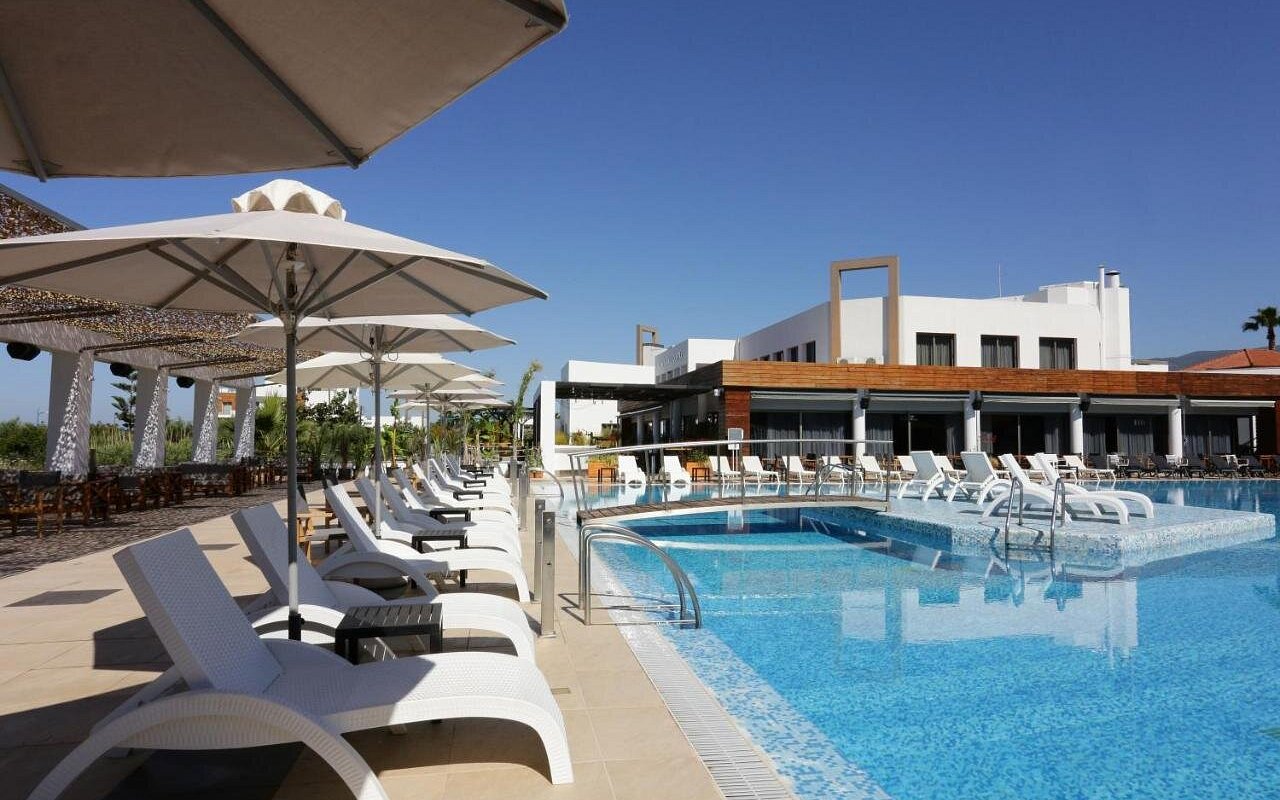
Coastal resort near the city outskirts.
Comfortable lodging with views of the gulf.
Central hub for easy access to tour pickups.
Kalamata's eponymous table olive is never pressed for oil. The almond-shaped, deep-purple fruit that bears the city's name is brined whole, destined for meze plates rather than extraction mills.
Instead, the liquid gold flowing from Messinian estates comes almost exclusively from Koroneiki, a small, spherical cultivar that yields oil with a peppery finish and a polyphenol profile prized across the Mediterranean. This distinction surprises many visitors who arrive expecting Kalamata olives to fuel the region's oil economy, only to discover that the answer to whether you can make olive oil from Kalamata olives is a qualified no — the flesh-to-pit ratio and moisture content make them economically unsuitable for pressing, though technically possible in small batches.
Messinia has cultivated olives since the Bronze Age. Mycenaean tablets record oil as tribute; Byzantine monasteries maintained grove estates that funded icon workshops and scriptoria. The landscape today reflects centuries of agrarian inheritance: gnarled trunks mark parcels handed down through family lines, while new high-density plantations employ drip irrigation and mechanical harvesters to meet export demand. Kalamata's port has long been the departure point for Messinian oil bound for Venice, Marseille, and later, global markets. By the early twentieth century, cooperatives had formalized quality standards, and the region earned Protected Designation of Origin status in 1996. The question of whether Kalamata olive oil is good finds its answer in chemistry: low acidity, high oleic acid content, and robust antioxidant levels place estate-bottled Messinian oil among Greece's finest. Independent tastings consistently award Kalamata PDO labels for their balance of fruitiness, bitterness, and astringency — the triadic hallmark of extra virgin quality.
Contemporary olive oil tasting in Kalamata has evolved from informal farm visits into structured sensorial experiences. Certified tasters guide participants through varietal comparison, teaching them to identify defects like rancidity and fermentation, and to distinguish early-harvest green notes from late-harvest buttery profiles. Many estates open their mills during the October-to-January harvest window, allowing visitors to witness the full cold-extraction process: washing, crushing, malaxation, and centrifugal separation. Outside harvest season, tastings focus on bottled reserves and barrel samples, often paired with local bread, tomatoes, and sea salt to demonstrate culinary applications. The ritual borrows from wine culture but remains distinctly utilitarian — olive oil is both agricultural product and daily staple, and Messinian producers take pride in transparency. Estate tours often include archival presses, stone mills, and subterranean storage cellars where amphora shards hint at the region's unbroken pressing tradition.

"The almond-shaped, deep-purple fruit that bears the city's name is brined whole, destined for meze plates rather than extraction mills."
A step-by-step walkthrough of Olive Oil Tasting in Kalamata tickets — what you'll see, how long each stage takes, and the details that matter.
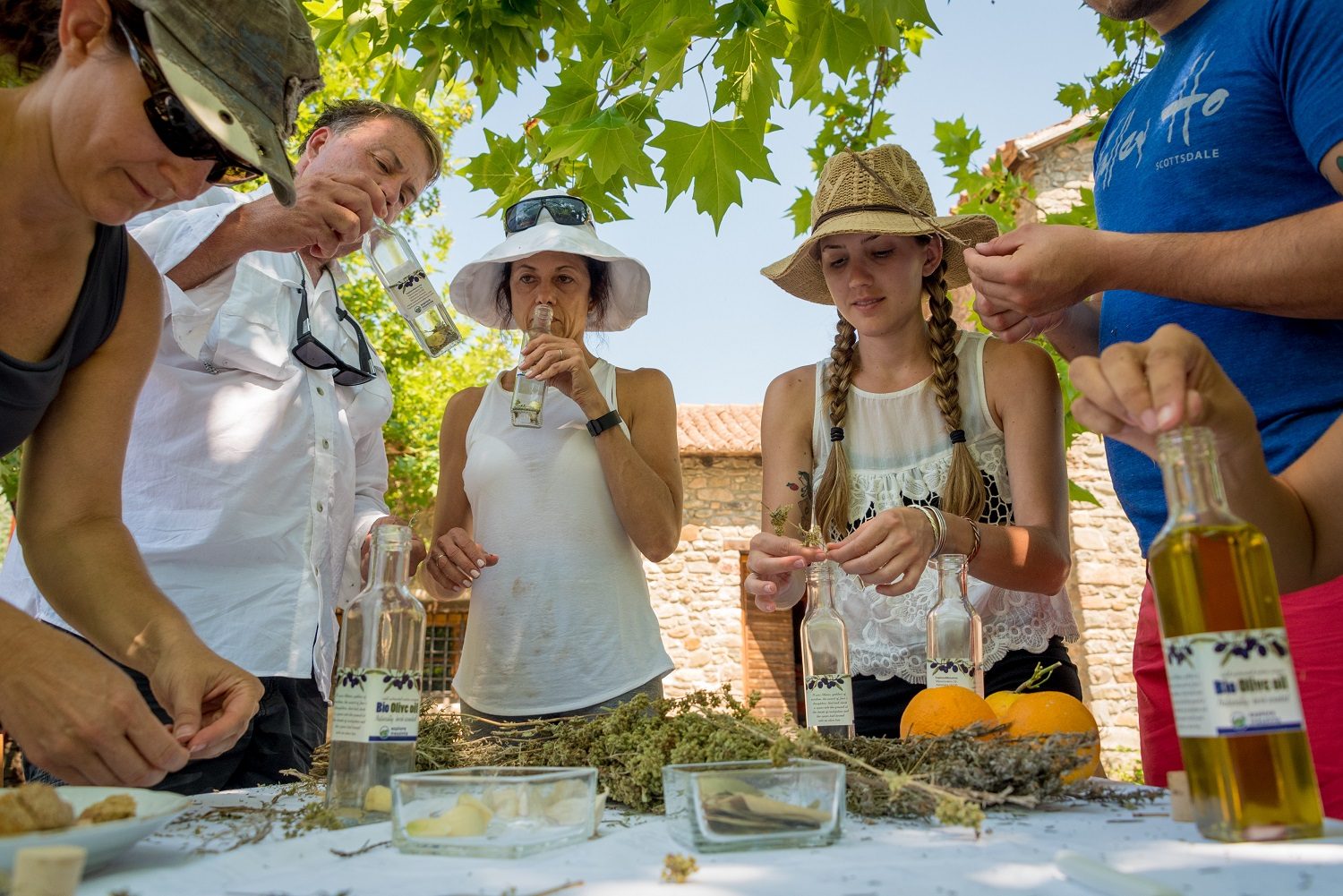
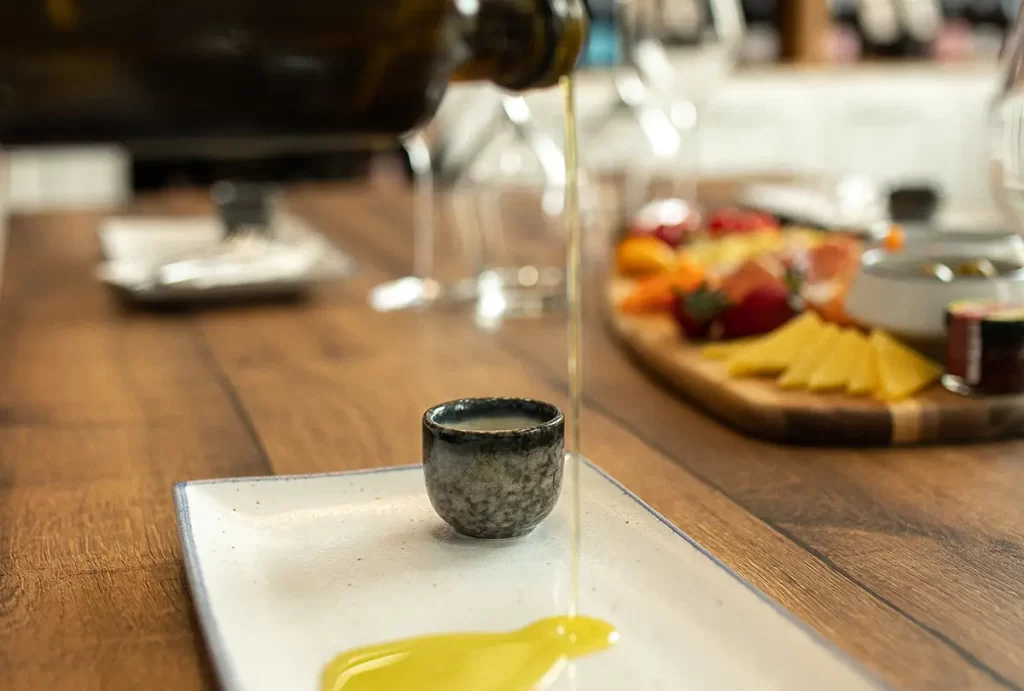
You arrive mid-morning at a family estate outside Kalamata, where rows of silver-green Koroneiki trees stretch toward the Taygetus foothills. Your guide hands you a small ceramic cup and pours a stream of oil the color of late-afternoon light.
You raise it to your nose first — the aroma is grassy, with a faint note of green tomato — then take a small sip, drawing air across your tongue to aerate the liquid. The peppery burn at the back of your throat is immediate, a sign of fresh polyphenols. Your guide explains that bitterness and pungency are marks of quality, not flaws, and demonstrates how to evaluate color, viscosity, and aftertaste.
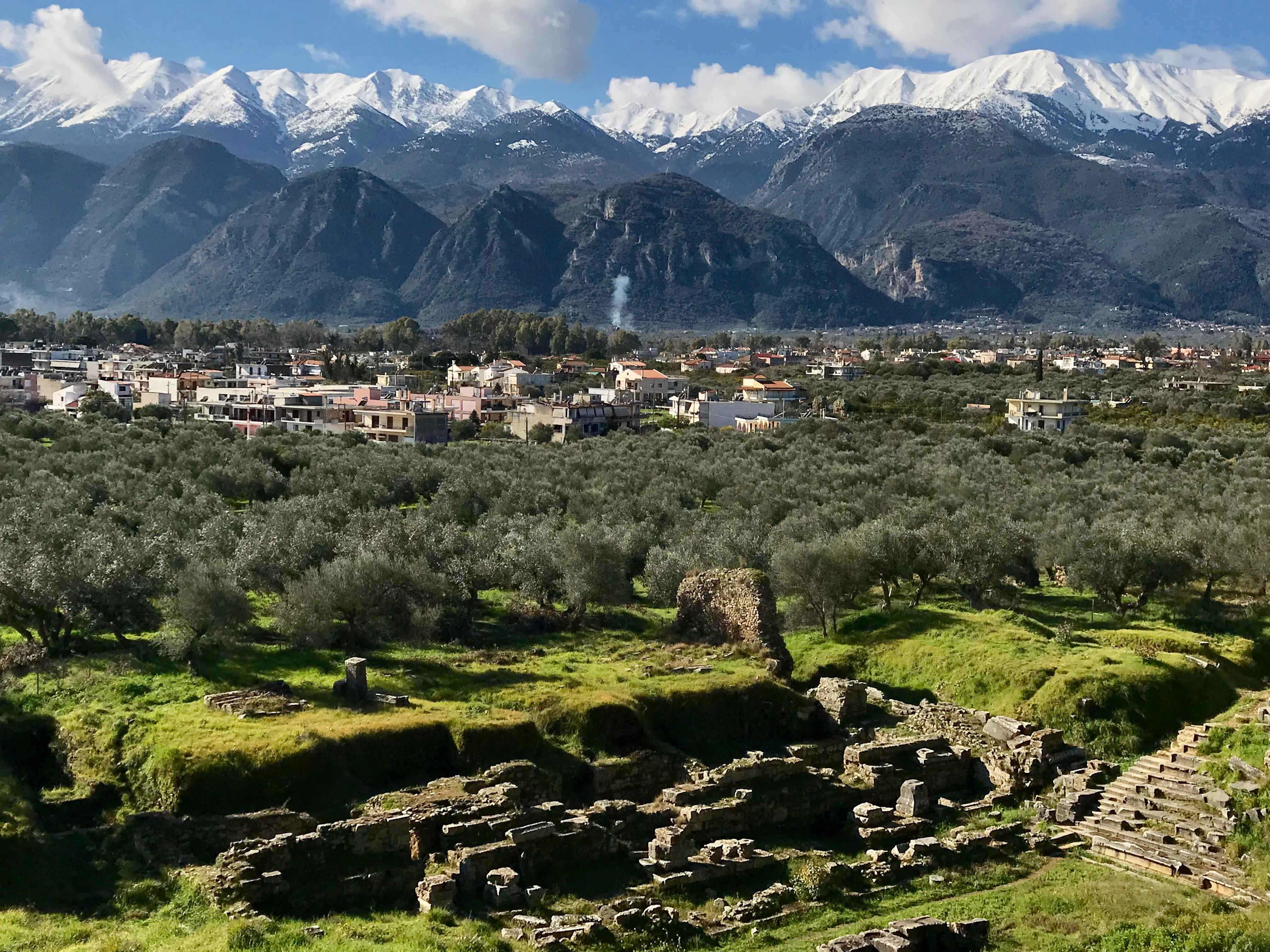
Next, you walk through the grove. The soil is rust-red, studded with limestone. Some trees are centuries old, their trunks hollowed and split, still bearing fruit each autumn. You learn that Koroneiki thrives in Messinia's climate — hot, dry summers and mild, wet winters — and that the timing of harvest determines flavor: early picking yields bold, bitter oil; late picking produces something mellower, almost sweet. At the estate's small mill, stainless steel machinery hums quietly. Your guide shows you the centrifuge, the malaxation tank, and a row of dark glass bottles ready for labeling. You leave with a half-liter of estate oil, sealed with wax, and a deeper understanding of why Kalamata's reputation as an olive oil capital rests not on its famous table olives but on the humble, high-yielding Koroneiki.
The typical operating hours for sites are 09:00–17:00, Monday through Saturday. Sunday operations are closed.
Yes, while there is no general entrance fee, specific olive oil tasting in kalamata tours require pre-booked tickets.
Entry is 0 EUR, but you must book a tour to participate in the tasting experience.
The best arrival window is 09:00–16:00 to avoid mid-day heat.
Families are welcome to join an olive oil tasting in kalamata, provided children are supervised in the groves.
Photography is allowed during most olive oil tasting in kalamata tours; please respect the farmers' space.
Dress casually with closed-toe shoes to ensure comfort during your olive oil tasting in kalamata.
Cancellations for olive oil tasting in kalamata tours should be made 48 hours in advance for a refund.
Most visitors access groves by rental car or private transport arranged by their olive oil tasting in kalamata operator.